Home
|
|
CHASSIS FEATURES
|
Development History
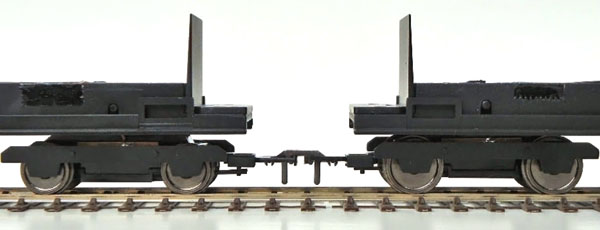
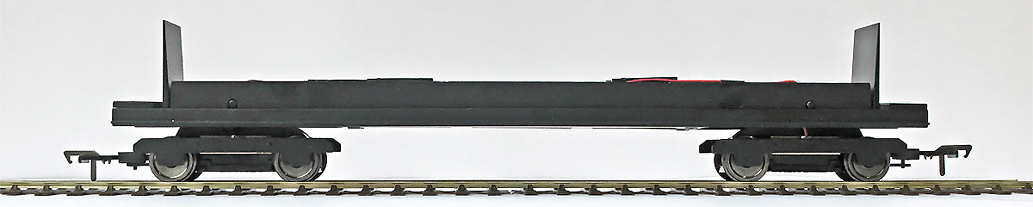
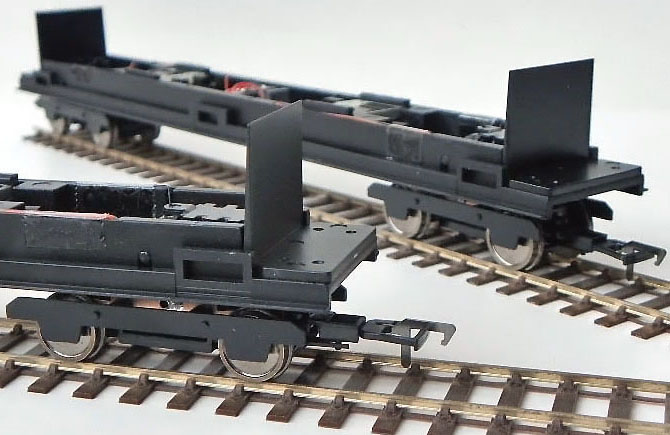
As British Rail kept to certain standards when producing its trains many measurements were ‘generic’. We found that the wheel and bogie spacing for dozens of other vehicles were exactly the same as those for the Class 419. As some of these vehicles included carriages and driving trailers, a decision was made to impose a height restriction on the chassis design. This meant that you would be able to ‘see’ into and through the bodyshell windows. In June 2005, a basic design was drawn up and prototypes were made (shown below) before being personally submitted along with performance specifications to our Chinese manufacturer (who also produce the BR models for Heljan).
In October 2006 two chassis (one fitted with 14mm wheels, one fitted with 12mm wheels) were assembled with production components received from China. When tested we found that there were a number of ‘issues’ with the chassis. Over the next two years several amendments were made to the chassis and the components to try and solve the issues. Unfortunately, these changes were all without success. January 2010: after investing many hours in ‘fault finding’ every single component of the chassis design, a ‘definitive’ report was sent to China highlighting each of our issues and the amendments we recommended to provide us with a chassis that matched our initial specifications. In July we received an amended sample and we are now very pleased to announce that we have finally been able to produce our bespoke item! |
 In 2005, we required motorised traction for a model railway item we were in the process of producing – the Class 419 Motorised Luggage Van (MLV). There was not an ‘off the shelf’ product on the market that would meet our proposed specifications and so we explored the possibility of designing and producing a power unit ourselves. During the initial concept ideas for the power unit we decided that due to the potentially high design and development costs involved in attempting to produce a ‘bespoke’ item, a powered chassis designed specifically for the Class 419 would be cost-prohibitive.
  The following year a prototype arrived with us and when tested was proven to meet all our initial requirements specifically in terms of operating speeds and pulling power. The instruction to continue was given to commit to tooling all components of chassis.
 |
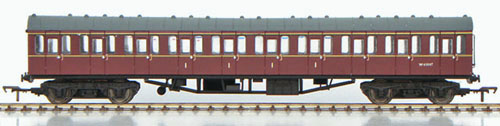
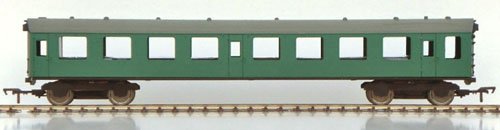
CHASSIS VARIANTS 64' 12mm (scale 3' Wheel) – 114, 115, 117, 118, 119, 120, 121, 122 / 131, 124, 125, 127 & 128 64' 14mm (scale 3' 6" Wheel) – 202, 203, 204 / 206, 205, 207, 302, 303, 304, 305, 307, 308, 309, 410 / 412, 411, 413, 414, 415, 416, 419, 420 / 422, 423, 427, 430, 432 & 504 Our 57' Chassis is suitable to fit to the following BR Classes: 57' 12mm (scale 3' Wheel) – TOPS Class 100, 101, 103, 104, 105, 107, 108, 110 and 111 plus Class 129 Parcels Car, Derby Lightweights and Wickham Units. |
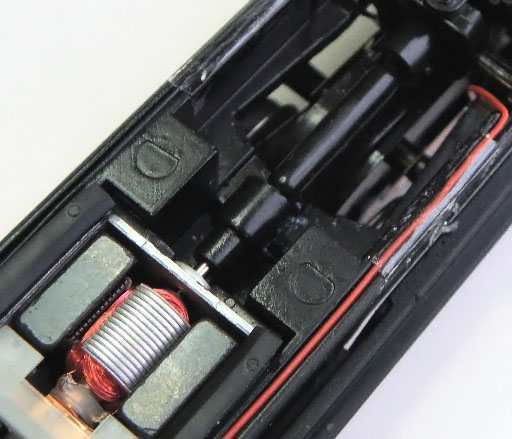
| HIGH-TORQUE MOTORS These motors provide our 64' 14mm chassis with the power to pull THREE of our Mk1 Suburban coaches (each weighing 160g) to a scale speed of 133mph and SEVEN coaches to a scale speed of 106mph! Our 64' 12mm powered chassis is approximately 15% 'slower' but will still achieve a scale speed of 91mph with a seven coach train. |
 |
|
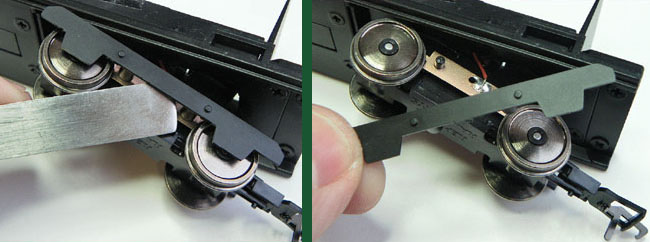 |
REMOVABLE BOGIE SIDEFRAMES |
|
REMOVABLE ACRYLIC CHASSIS BASE |
|
DCC READY – as our chassis features a PCB with an 8-pin socket and is equipped to add directional and interior lighting if you require it. |
|
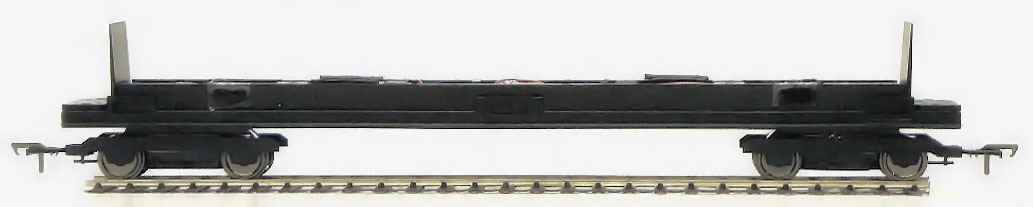
So, if you are like us and have owned one of Charlie Petty’s (d.c.kits) Class 128 kits for about eight years and its still in its box just gathering dust or if you fancy perhaps powering the centre car of your kit-built 3H or updating your Lima 117 to a smoother, quieter mulitple unit – our die-cast chassis may be the solution for you! UPDATE: our Class 128 kit has now been completed! >> |
 |

|
|
|

|
HOW TO REMOVE THE CHASSIS SURROUND |
|
|
|
|
|
- Once you have added your chassis details, (and ensured that you have removed the bogie |
 |

|
CHASSIS DETAILS / BOGIE SIDEFRAMES: LOADING GAUGE & THIRD RAIL MEASUREMENTS |
|
|
|
|
|
If you wish to add bogie side frames with a third rail pickup, you can use our template to line up against either the ‘Peco’ third rail measurement (5.33mm from inside of ‘OO’ spaced running rail to middle of third rail) OR to the ‘1:76’ third rail measurement (5.33mm from inside of 18.84mm spaced running rail to middle of third rail). |
|


If you have any questions concerning the contents on this page please e-mail us at This email address is being protected from spambots. You need JavaScript enabled to view it. |